 Roy J. Riley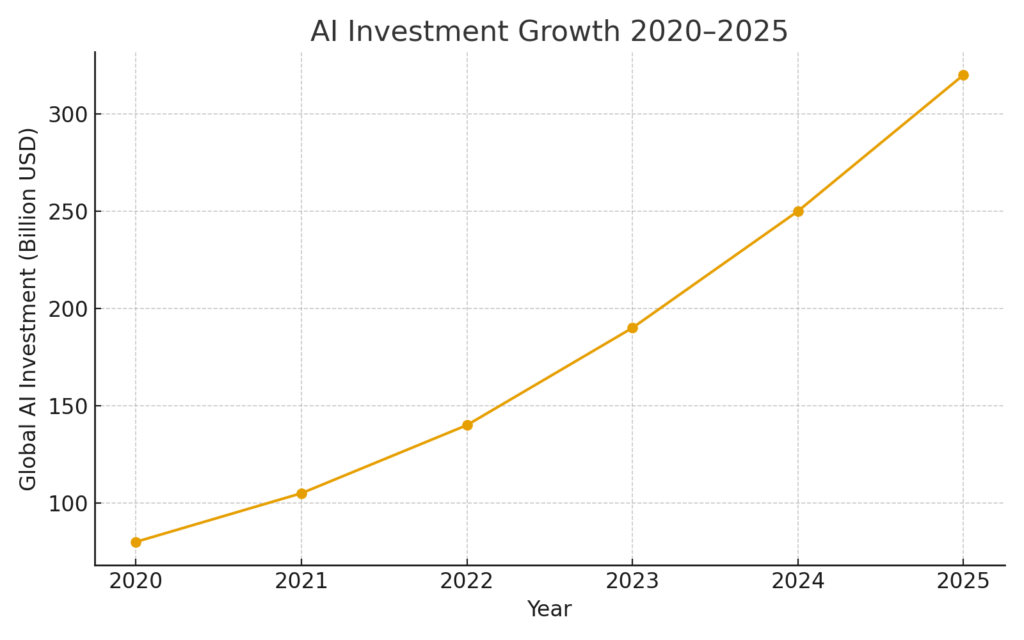
The year 2025 marks a defining moment in the evolution of artificial intelligence and modern technology. Innovations that were once experimental have now become mainstream tools, transforming industries and reshaping global productivity. With AI at the forefront, new systems are enabling businesses and individuals to accomplish tasks faster, smarter, and with greater precision than ever before.
One of the standout developments in 2025 is the rise of ultra-advanced multimodal AI models capable of deep reasoning, real-time decision-making, and seamless interaction across text, images, audio, and live data. These models now function as intelligent digital assistants that support complex workflows—from analyzing medical scans to generating enterprise-level software. Their integration across industries has significantly sped up automation and improved operational efficiency worldwide.
Robotics has also reached a new level this year. AI-powered autonomous robots have become more adaptive, able to learn from their environments without extensive human programming. In logistics, manufacturing, and even household assistance, these robots are taking on tasks that once required human precision. Their increased reliability and affordability make them central to the next wave of industrial transformation.
Cybersecurity has undergone a crucial leap forward as well. With global cyber threats rising, 2025 introduced AI-driven defensive systems capable of predicting attacks, identifying vulnerabilities, and responding autonomously in real time. These intelligent security platforms now act as digital guardians—scanning, analyzing, and neutralizing threats faster than human teams could ever achieve alone.
In the healthcare field, AI has become indispensable. Advanced diagnostic models can now detect diseases earlier, analyze complex genetic data, and support personalized treatment planning. These breakthroughs are reducing risks, improving patient outcomes, and expanding access to high-quality care through digital platforms and remote medical tools.
Consumer technology continues to evolve at a rapid pace. Smart devices powered by adaptive AI are providing personalized experiences, anticipating user needs, and offering seamless connectivity across home, work, and travel environments. From automated home systems to wearable health trackers, everyday tech has become more intuitive and deeply integrated into daily life.
To illustrate the surge of AI’s impact, the following chart shows the hypothetical growth of global AI investments from 2020 to 2025—highlighting how rapidly the world is embracing intelligent technology:
📈 AI Investment Growth 2020–2025 (Chart included above)
As we look ahead, the breakthroughs of 2025 signal the beginning of a new era where AI and emerging technologies become essential threads in the fabric of society. The advancements made this year will continue to influence innovation, economic growth, and the future of human-machine collaboration for decades to come.